terça-feira, 30 de abril de 2019

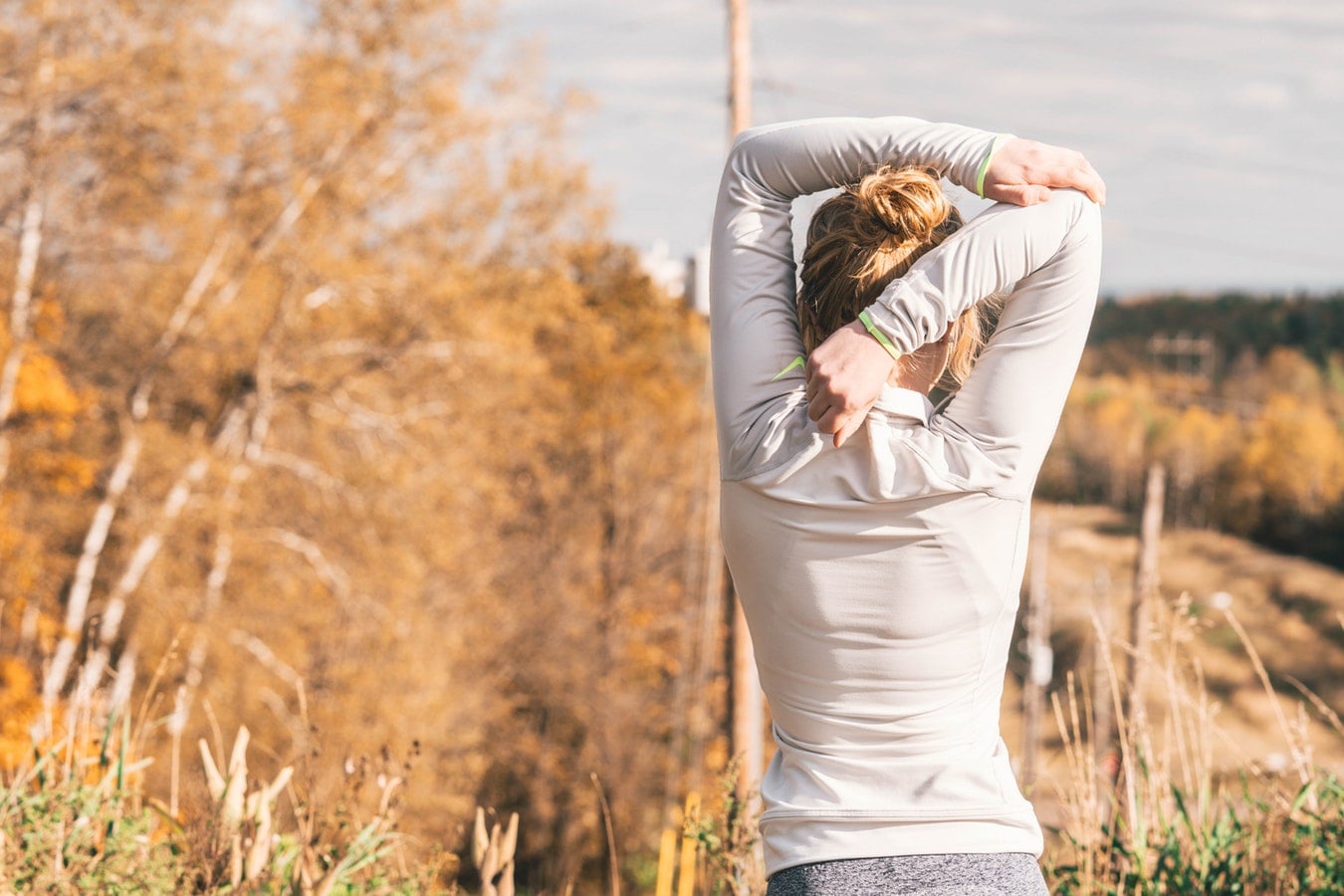
I Work 3 Jobs Every Week — Here's How I Make Time to Exercise

tmp_eLRIh1_0551eb7e4b41725b_photo-1507761906261-d31a39975ce4.jpg

I'm no stranger to working hard, but that doesn't mean I'll ever let my long days keep me from working out. Exercise doesn't sap my energy — quite the opposite. It provides me with the pep I need to go from my part-time office job to my part-time side hustle to my freelance work without losing my spark. Yes, squeezing in a workout when working three jobs presents a challenge, but one I'm well up to. Here's how I make time for a sweat.

I Break Up My Workouts Into Sessions

When I spend a long day at the office followed by a few hours tending bar, the last thing I want to do when I finish is hit the gym for an hour-long spin class. I'm dedicated to health and fitness; I am not, however, Wonder Woman. Instead, when my day stretches for 12 hours or more, I break up my workouts into several shorter bursts.

Six 10-minute workouts can work as effectively as one hour-long session, if you allow yourself to really get into them for those short bursts. I begin each day with 10 minutes of yoga to clear brain fog and get my muscles ready for the day. Then, since I generally nibble at my desk all day, I use my 30-minute lunch break to get in a short run or do Tabata. During shorter breaks, I take a walk around the building (weather permitting) or climb a few floors of stairs. When tending bar, I keep moving enough, but still manage to fit in stretches when I get a breather, which you can easily work into your own routine.

I Pencil In My Workouts

Success at fitness requires planning. I make sure to keep an eye on which days I have off and schedule my exercise goals for the week just as I plan time to work on my deadlines. It works a bit like — and often in tune with — my weekly meal prep. I get everything into containers, but leave myself leeway to select which healthy precooked meals I'll eat daily. In the same fashion, I break my weekly workout goals into 10- to 30-minute intervals and insert anything from yoga to at-home HIIT workouts, then pick and choose which exercises to do each day based on which jobs I'm working which days and what my resulting energy levels will probably look like on those days. I usually plan two to three hours of cardio weekly and split the remaining time between strength and flexibility training.

I Get Creative — and Silly

Since I've always loved fitness, I get creative and work my muscles even when my concentration lies elsewhere. My office chair is an exercise ball, so even when I'm typing, my core gets a mini-workout. When on the phone, I get up and pace. Due to my hectic schedule, biking to work isn't always practicable, but I pedal to the farmer's market or convenience store whenever possible.

I'm also not afraid to make a bit of a show of myself. Yes, I enjoy seeing whether or not I can still make it across the monkey bars, so when I pass a playground, I'll often just do it! When I'm stuck in line waiting behind someone making their monthly Costco run, I will do squats, calf raises, or stretches in line. As far as dancing like no one is watching, let's just say I seldom refrain from busting into a few Zumba moves when someone plays a Pitbull jam.

I Make Sure a Balanced Diet Is Part of My Routine

It is so important to eat a balanced and sufficient diet. I could drive the best Ferrari (I wish), but it still wouldn't go anywhere if I tried to start it on an empty gas tank — the same goes for my body. To power myself through busy days, I chow down on healthy foods that keep my blood sugar stable.

I Prioritize Sleep

Sleep plays such an integral part in overall health. I'm human and have occasional sleepless nights just like everyone, but I do everything I can to make getting at least seven hours possible.

Try kicking your afternoon caffeine habit if you have one. Caffeine consumption too close to bedtime can cost you sleep. I get jitters after a single cup of coffee, so I err on the side of caution. I also take a few minutes to stretch and wind down before bed while sipping on chamomile, and I don't allow any electronics in my bedroom other than my Kindle. I've also been practicing meditation before bed to get better at relaxing my racing thoughts.

I often hear people with far more free time than I'll probably allow myself to have until retirement age complain that they can't find time to exercise. And everyone's different — some people really don't like being busy and must adjust accordingly, and that's fine. But if you find yourself having a hectic schedule, know that it is possible to keep up with your exercise routine. For me, staying busy keeps things exciting, and I'm living proof that grinding hard doesn't have to come at the cost of personal fitness or even happiness. Life in the fast lane can truly be a ton of fun when you get creative about how to keep up the pace.


How to start exercising if you're out of shape: Experts offer their top 6 tips from workouts to diet plans

How to start exercising if you're out of shape: Experts offer their top 6 tips from workouts to diet plans
  • Regular exercise fights obesity and lowers risks of heart and lung diseases, diabetes and premature death 
  • A health check-up, workout buddy and starting with simple, short exercise programs can make it easier to get back to being active 
  • Look out for your joints, and know that at first your exercise will feel difficult - but it does get easier  
  • Perhaps your primary care doctor has recommended you exercise more, or you've had a recent health scare. 

    Maybe your family's been nagging you to get off the couch or you've decided yourself that it' s time to lose some weight.

    How do you find the motivation, time and resources to get fit, particularly if you haven't exercised in a while? 

    How do you choose the best type of exercise? And do you need a health check before you start? 

    Getting back to working out can be daunting, but an expert explains how finding the right reasons to do it, starting simple and just sticking with it can bet you back on track 

    OVERCOMING BARRIERS TO EXERCISE 

    MOTIVATION 

    Understanding the effect a sedentary lifestyle has on your health often hits home only after a serious event such as hearing bad news from your doctor. For some people, that's often enough motivation to get started.

    Surviving a serious illness as a result of an inactive lifestyle, such as a heart atta ck or stroke, can also be frightening enough to provide a great deal of motivation.

    So, if you have not exercised for several years or haven't exercised before, a it's a good idea to get a health check with your primary care doctor before starting.

    Then you need to keep motivated enough to stick with your exercise program. You can track your training or fitness level and set some achievable goals to keep going. 

    LACK OF TIME 

    Finding the time and effort to fit exercise into your daily routine is challenging. We know being  'time poor' is a common reason for not exercising. And many people such as office workers, vehicle or machine operators have low activity levels at work and don't feel like exercising after a long day.

    One way to get around these barriers might be to attend a group exercise session or join a s ports club. If you find exercise boring, you can encourage a friend to join you or join an exercise group to make it enjoyable. If you played sport in your youth, that might provide an option.

    Having a friend to exercise with or team mates to support you gives a sense of commitment so that you have to be there and will be challenged if you fail to show up. 

    RESOURCES 

    You don't need to join a gym with a lot of fancy equipment to get fit. There are many YouTube videos of safe routines that you can follow and adjust as you get fitter.

    This one demonstrates a 15 minute cardio exercise routine that you can do at home. 

    VIDEO

    Many exercises – including squats, push ups and sit ups – don't need special equipment. And rather than improving muscle strength with weights at the gym, you can fill milk bottles with water instead.

    YES, YOU'LL HUFF AND PUFF. BUT IT GETS EASIER    

    You might be thinking about starting aerobic exercise like the cardio workout above, or walking, jogging, swimming or cycling. All need oxygen to provide energy over several minutes or longer.

    When we perform aerobic exercise, our heart rate increases along with our breathing rate and depth. This is because this type of exercise requires oxygen to provide energy to keep going.

    When we are not used to this type of exercise our body is inefficient at using the oxygen we breathe to generate energy for our skeletal muscles. That's why when we start an exercise program we huff and puff more, get tired quickly and may not finish the exercise.

    But if we keep exercising regularly, our bodies become more efficient at using oxygen and we become better at generating enough energy for our muscles to work.

    Over weeks of regular exercise, the number and efficiency of our body's mini-powerhouses – mitochondria – increase in each cell. This increases the energy they can supply to the muscles, exercising becomes easier and we recover faster from each session.

    That's why it's important to continue and repeat exercise sessions, even after a shaky start or a few set-backs. Yes, it can be a big challenge, but aerobic exercise gets easier over time as the body gets used to providing the energy it needs.

    THINKING OF YOGA OR SIMPLE STRETCHES? HERE'S WHAT TO EXPECT 

    Yoga is a great way to start an exercise program and you can perform it at various levels of intensity. Stretching and other moves improve flexibility and strength. Yoga also emphasizes breathing and relaxation through medit ation.

    Yoga, like other forms of exercise, will be challenging to begin with. But it does get easier over the weeks as your body adapts. So, it is important to be persistent and make the exercise part of your routine with at least three sessions of up to one hour every week.

    At the start, you may get sore muscles. While this can be uncomfortable, the soreness goes away after about a week. You can reduce this soreness by starting with low intensity and building gradually over the first month.

    Once your muscles become used to the new movements, the soreness will be minimal as you progress.

    WATCH YOUR JOINTS  

    We know being overweight or obese has detrimental effects on the heart, bones, joints and other organs including the pancreas, which regulates blood glucose (sugar) levels. Obesity can also affect brain health and i s linked to poor cognition.

    The good news is that regular exercise can help reduce these negative effects. 

    But if you are overweight or obese, taking up exercise can place great strain on your joints, particularly the articulating surface, the cartilage surface of bones that contact each other. So hips, knees and ankles can become inflamed and painful.

    So it may be best to include exercise that reduces weight bearing, such as exercise in water or using a stationary exercise bike or rowing machine. Once you've lost some weight and your cardiovascular function has improved, then you can add more walking or jogging to your exercise program.

    THE RIGHT DIET HELPS POWER YOU ALONG  

    A healthy diet you can maintain in the long term is a very important part of any fitness routine. Not only can it help you lose weight, it ca n also provide the right type of fuel to power your new exercise program. 

    Getting plenty of fiber from fruit, vegetables and whole grains will help to reduce weight and keep it off while exercising.

    Sugar, especially the type found in fizzy drinks and sweets, are low in nutrients and increase the risk of diabetes, metabolic syndrome and cardiovascular disease. So cut down on refined carbohydrates like some breads and rice, sugary cereals and refined pasta since these include sugars we are trying to avoid and have had their fiber removed. Replace them with oats, carrots or potatoes.

    It's best to avoid fad diets, which tend to be restrictive and difficult to maintain. They can lead to a yo-yo effect where you lose weight only for it to return. 

    IN A NUTSHELL  

    Once you've decided to start exercising, and had a med ical check if needed, start slowly and build your exercise routine up over weeks and months. 

    Make it interesting and enjoyable, perhaps by working out with a friend or group. Set some achievable goals, try to stick to them and don't give up if you have a set back.

    Weight loss and getting fit requires different approaches for different people so find what works for you and make it part of your lifestyle. 

    Increase the intensity and frequency of your exercise gradually from a minimal three times a week for 20 minutes to longer, more intense sessions more often.

    segunda-feira, 29 de abril de 2019

    How teens can get a free membership to Planet Fitness starting next month

    It's not too late to get in shape for the summer and, if you're between the ages of 15 and 18, Planet Fitness is offering a pretty sweet deal to get you to start working out too.

    Beginning May 15 and ending Sept. 1, teens who fall within that age range will be able to work out for free at Planet Fitness gym locations nationwide.

    It's called the Teen Summer Challenge and comes at a time when nearly half of American high school-age teens aren't getting in enough strength exercises throughout the week.

    According to the Centers for Disease Control and Prevention's High School Youth Risk Behavior Survey, 49% of U.S. teens don't spend at least three days per week exercising to strengthen or tone their muscles.

    Teens can go to any Planet Fitness to sign up. Parents will have to sign off for anyone under 18. Once signed up, teens can work out alone, but only at the location where they registered.

    New Jersey is home to dozens of Planet Fitness gyms. You can find a list of those locations here.

    To learn more about the Teen Summer Challenge, click here. The initiative will run until September.

    Tennyson Donnie Coleman may be reached at tcoleman@njadvancemedia.com. Follow him on Twitter and Instagram @TennysonTV. Find him on Facebook. Have a tip? Let us know at nj.com/tips.

    Whether you’re 5 or 95, these are the best exercises to keep you fit for life, according to a celebrity fitness trainer

    Jump ropes are not just for kids. Samuel said they're some of the best "portable, affordable equipment to take anywhere." Queenie Howard plays double dutch on Blue Hill Avenue during the Circle the City initiative in Boston on September 29, 2013.Jessica Rinaldi for The Boston Globe via Getty Images

    Try jumping rope for just 30 seconds and you'll notice it's one of the best ways to get your heart rate soaring in a hurry.

    Jumping rope is a low injury-risk activity, and once you've mastered a basic hop, you can start speeding up and getting creative with new moves: jumping on one foot, adding high knee kicks, playing double dutch with friends, or criss-crossing the rope.

    Regularly using a jump rope has been shown to improve balance and coordination in kids, help obese teens reduce belly fat, and improve heart health in adults.

    Squats are a great way to build strength you'll actually use. Shutterstock

    Once you've mastered the basic squat, you can go for a high-intensity jump squat, bending down into an imaginary chair, and then bursting up into the air. Samuel said it's important to master the proper form for your basic squat before you try out the jumping version.

    But once you're ready, jump squats are a great toning move that can boost your power.

    Trainer and exercise physiologist Tony Maloney at the National Institute for Fitness and Sport previously told Business Insider that when doing squats, "you're also expending the energy that you need to actually lose the body fat that may be surrounding the dormant muscles."

    Learning how to squat well is a practical skill we can use every day. "Functional movements that apply to real life are obviously the most important to do," Samuel said. Maurizio Cattelan's "America" installation at the Guggenheim Museum in New York.Kristopher McKay

    "When you get up off the toilet and sit down on the toilet, that's a squat," she added.

    Another move that will get your heart racing is also very practical: the shoulder press. Vichien Petchmai/Getty Images

    Doing shoulder presses at home or the gym will get you ready to lift weighty objects over your head.

    For this, hold a couple of weights by your shoulders, with your palms facing forward and your elbows bent 90 degrees. Then straighten and press the weights overhead. Shutterstock

    Keep your core engaged the entire time, with a neutral spine and your shoulders down and back.

    When it comes to strengthening your core — the spine-stabilizing center of the body that keeps you upright — it's hard to beat the classic plank. Supporters of Ruth Bader Ginsburg perform exercise planks in celebration of the Supreme Court associate justice's 86th birthday, March 15, 2019.Joshua Roberts/Reuters

    "If our core muscles weren't there, we'd fall right over," Maloney said.

    Samuel is far from the only fan of the plank: Many trainers prefer the move over crunches and sit-ups.

    Once you're able to hold a plank, add in some push ups. Chip Somodevilla/Getty Images

    "Push ups are extremely important," Samuel said.

    "Being able to push something away from you? That's a self-defense thing," Samuel added. British boxer Anthony Joshua, left, is shoved by Jarrell Miller, right, as they pose for photographs during a news conference on February 19, 2019.Associated Press Mountain climbers are another dynamic move, and unlike burpees, they're difficult to mess up. Shutterstock

    To do these, start in a high plank, with your body in a straight line from your head to your toes. Lift one knee up toward your chest using your core strength, then press it back down behind you. Then switch legs. Do these knee lifts as quickly as possible while staying in your plank position, keeping your butt low and in line with the rest of your body, for about 30 seconds. Make sure to keep your shoulders right above your palms while you're "climbing."

    Mountain climbers, like burpees, are a near total-body workout, challenging your arms, sculpting your core, and toning your legs, all while getting your heart racing. Samuel likes them because they're more foolproof than burpees.

    "Burpees I wouldn't recommend for everyone," Samuel said. "If you're not very used to burpees, maybe stick to mountain climbers for now."

    Like squats, lunges are a great way to get your heart pumping, and they also strengthen your legs for every step of the day. Trainer Tom Cochrane looks on as, from left, Joseph Gianni, 10, Tim McNamara, 11, Noah Riedel, 12, and Michael Crowley, 12, do lunges at Team Fitness Franklin in Franklin, Massachusetts.Wendy Maeda/The Boston Globe via Getty Images

    Once you've mastered the lunge, you can try a jump lunge, alternating sides by switching your legs back and forth in mid-air. This kind of plyometric, explosive movement is great for burning fat and developing quickness.

    Samuel recommends incorporating lunges into a short, two-minute, four-move circuit with:

  • 30 seconds of jump rope
  • 30 seconds of as many lunges as you can fit in, alternating legs
  • 30 seconds of mountain climbers
  • and a 30-second plank
  • "Repeat that three to four times," Samuel said. "That's great to do at home."

    "When you're walking, that's a version of a lunge," Samuel said. REUTERS/Lucy Nicholson

    "You're just taking much smaller steps," she added.

    Pull ups aren't just a quick way to get a near full-body workout — the strength you build can come in handy in real life too, Samuel said. A guy crushes a pull up.Wikipedia

    If you're still working on building up strength, try holding a single pull-up. With your palms facing toward you, pull your chin up above the bar, and hold the position for as long as you can.

    "You know, in case you're on a ledge and you need to get yourself off," she said. AP Photo/Adam Butler

    Pull ups are a staple exercise for US Marines, and Major Misty Posey says anyone can learn to do them well.

    "When it comes to pull ups, most people know that the key to improving is to simply do pull-ups," Posey writes in a Marine pull-ups training guide. "Therein lays the conundrum. How does a person practice pull ups when one cannot do pull-ups? A solution is to perform vertical raising and lowering exercises on a pull up bar using gravity and one's own body weight."

    She said this start-where-you-are technique is how she built up to doing pull ups herself: "To my surprise, after five days of training on the pull up bar, I did my first pull up," Posey said.

    If pull ups are a challenge, you can also try other pulling moves like lat pull-downs (as shown below). Shutterstock

    Dumbbell rows are another option.

    Finally, try a hollow hold. Lie on your back with your arms overhead, hands and toes pointed away from each other. Pull your core toward the floor, keep your lower back on the ground, and raise your shoulder blades and legs a few inches off the ground. Shutterstock

    Now you've got a handle on the five most important basic functional movements, according to Samuel: "Pushing movements, pulling movements, lunging, squatting, and core."

    Whatever kind of exercise you do, the most important thing is to make it fun, Samuel said: "Do not make working out a chore." Iranian boxer Sadaf Khadem.Reuters

    "Make it something you look forward to during the day," she suggests.

    That means finding ways to move your body that you actually enjoy — that could be a spin class, weight training, or just "walking up a hill."

    Samuel's personal favorite cardio activity is boxing.

    "I get to be in the moment," she said. "I'm not really thinking that I'm doing cardio, but I actually am."

    Wendy Wood, a professor of psychology and business at the University of Southern California who studies habit formation, agrees with Samuel's advice. Robert Benson / Stringer / Getty Images

    "You can try to make yourself do something that you really don't like, but if you hate going to the gym, you're not going to go," Wood told Business Insider.

    She recommends making your workouts feel like a reward. When Wood uses the elliptical machine, for example, she lets herself watch competitive cooking shows that are strictly off-limits the rest of the day.

    "If you are making yourself do exercises that you find not rewarding, not fun, not enjoyable, you're just not going to do them," Wood said.

    One final piece of advice from Samuel: Just get moving, wherever you are. "All you need is your body," she said. People watch a TV show at the Beijing West train station in Beijing, China, January 15, 2018.Thomas Peter/Reuters

    "Instead of scrolling through Instagram, I'm telling you, you can make time to figure out a way to move your body," she said.

    Samuel even sees airport layovers as an opportunity to bust a move: She can do arm dips using airport benches or squeeze in some "push ups off the side." Samuel recently showed off one of her portable vacation workouts on Instagram— the circuit includes lunges, jumping jacks, squats, and mountain climbers.

    "Just find a way to just keep moving your body somehow," she said.

    quinta-feira, 25 de abril de 2019

    How to Exercise to Cut Your Age-Related Fitness Decline in Half

  • The benefits of being aerobically fit and participating in high-intensity cardio in middle age can last for up to 10 years, according to a new study from the journal Frontiers in Physiology.
  • But low-intensity exercise can also benefit your metabolic health—like blood pressure and insulin levels.
  • There are tons of reasons why you might love being on your bike: to get from point A to point B, to chase that PR, or simply just to stay in shape. Regardless of your motivation, the physical benefits of cycling—among other forms of exercise—can stay with you for longer than you might expect, according to new research from the journal Frontiers in Physiology.

    Researchers followed up with participants of a different study—published in the journal Medicine & Science in Sports & Exercise that ran from 1999 to 2003—10 years after the fact to see what their current health was like.

    The 2003 study involved 384 sedentary, overweight people between the ages of 40 and 65 years old who had to either remain sedentary or start exercising regularly for eight months. Those who had to exercise were randomly split into the following three groups: low amount of moderate-intensity exercise, low amount of vigorous-intensity exercise, and high amount of vigorous-intensity exercise. Those who exercised in any capacity saw improvements in their aerobic fitness, blood pressure, insulin sensitivity, and waist circumference.

    So, to figure out what the lasting impact on these improvements might be, researchers gathered 104 of the previous study's participants for a new "reunion" study. First, they filled out medical history and physical activity questionnaires. Next, they had their heights, body masses, resting blood pressures, and minimal waist circumferences measured. Finally, they underwent a maximal treadmill exercise test to measure their cardio fitness.

    The results? The participants from the 2003 study who either remained sedentary or who did a low amount of moderate-intensity exercise were less aerobically fit. They lost 10 percent of their aerobic capacity in the 10 years that followed—a rate that was twice as high as those who performed vigorous activity in the original study.

    People start naturally losing aerobic fitness after around age 28 or so due to a 1 percent decrease in max heart rate per year, says study coauthor William Kraus, M.D., a professor of medicine Duke University's Division of Cardiology. This suggests that vigorous activity could stave off the age-related decline in fitness more than moderate activity, possibly because vigorous activity helps strengthen your heart, improving its ability to pump blood to—and strengthen—your lungs and other parts of your body, according to the National Heart, Lung, and Blood Institute.

    [Want to fly up hills? Climb! gives you the workouts and mental strategies to conquer your nearest peak.]

    But while those who did moderate-intensity activity didn't gain as much cardio benefit, they still experienced metabolic benefits, such as no increase in blood pressure and a decrease in fasting insulin and glucose levels. Lower fasting insulin and glucose levels means you have less of a chance at developing conditions like obesity and diabetes.

    And while researchers aren't totally sure why vigorous exercise helps maintain a good level of cardio fitness in the longterm, but low or moderate exercise helps maintain good metabolic health, they are working to understand the connection better.

    Bottom line: Your hard rides can help preserve your aerobic fitness for years to come, but don't dismiss the health benefits of lesser-intense exercise. Make time for both in your daily life—say, walk a little more each day, even if you have a workout scheduled for later that day.

    "One does not have to do vigorous exercise to have some very substantial health benefits—particularly on blood pressure and glucose control (like diabetes prevention)," Kraus said.

    Danielle Zickl Associate Health & Fitness Editor Danielle specializes in interpreting and reporting the latest health research and also writes and edits in-depth service pieces about fitness, training, and nutrition.

    Ready to Start Running Longer? Here's How to Conquer Any Distance and Feel Good Doing It

    Whether you're closing in on your first 5K or training for a half- or even full marathon, if you've been bitten by the running bug, chances are you've started to feel the urge to push your mileage. Running longer and farther lets you pursue longer races and set higher and higher goals. Plus, it feels awesome to be able to run distances you've never dreamed of, whether that's two miles or 20.

    But even those of us who love running know that pushing toward longer distances is going to come with some discomfort: aching muscles, aching lungs, blisters, chafing, and generally feeling exhausted. Sometimes, there's no way around it; if you're running 15 miles, your body is going to need to rest by the end. But if some of that exhaustion can be remedied — and good news: it can — runners old and new want to know how to do it. POPSUGAR spoke to two running experts to get the full story on how to run longer, minus the fatigue.

    Fix Your Running Form

    Preventing fatigue ultimately comes down to form, according to Michael Fredericson, MD, professor and director of physical medicine and sports medicine at Stanford. "The more efficient your running gait is, the less energy you're going to need to use, and the less fatigued you're going to get," he told POPSUGAR. Perfecting form sounds complicated, but Fredericson said the main thing is to stay relaxed. Tensing your muscles not only makes them ache but also uses extra energy and intensifies the impact on your body as you run.

    If you're having trouble upping your mileage, it's ideal to consult a running coach or doctor and schedule a gait evaluation. You can also analyze your own form, keeping an eye out for a few common mistakes that could be overtaxing you on your runs.

  • Overstriding: Also called heel striking, people who overstride land too hard on the heels of their feet. "You want to land so that your heels are underneath your knees, not in front of them," Fredericson said. Overstriding is a common problem, and this simple drill can help you identify and correct it.
  • Bouncing up and down: It's natural to bob up and down while you run, but if you're bouncing too much, you're wasting energy that could be used to propel forward. Focus on pushing your body straight ahead instead.
  • Crossing your feet: Your feet should be moving in a straight forward line, not diagonally in front of your body. Watch your feet as you run to make sure that they're not crossing in front of you, which Fredericson said is very inefficient.
  • Running efficiently also means supporting your knees, which you can do by strengthening your hips and feet. Fredericson recommended exercises like clamshells, squats, and single-leg squats to improve hip strength.

    To stabilize your foot muscles, stand on one foot (you can try a yoga Tree Pose if it's comfortable) and focus on maintaining the arch in your foot without letting it collapse. "Think of your foot like a tripod, from the heel to the big toe to the little toe," Fredericson said. "You're helping that tripod lift up your arch." Strengthening your calf muscles (particularly the gastrocnemius, the big round muscle in your calf) will also help support proper running form. Fredericson recommended doing strengthening exercises at least every other day.

    Breathe Into Your Diaphragm

    Another major discomfort when you're increasing your mileage: aching lungs. Again, Fredericson said this comes back to staying relaxed. "When people get tense, they start to breathe from their chest," he explained, which makes you feel short of breath. Instead, focus on breathing from your diaphragm, the muscle just below your ribcage. That in and of itself can help you relax, but it'll also make your breathing slower and more efficient.

    Another way to ease your breathing: slow your pace, said exercise physiologist and personal trainer Tom Holland, MS, NSCA-CSCS, ACSM, who's completed over 60 marathons. When you're just starting to push your distance, there's no such thing as running too slowly or taking too many walking breaks. "That's how you gradually build up your running endurance while decreasing the cardiovascular discomfort," he told POPSUGAR.

    Focus on setting a slow, comfortable pace at the beginning of the run in particular, Holland said. Starting out even a little too fast can put you into oxygen deficit, cause stomach cramps, and turn the run from relaxing to tense and uncomfortable.

    Distract Yourself

    You know how running often makes your mind wander? Embrace that, Holland told POPSUGAR. Disassociating during your runs — focusing on anything other than the run itself — can make you feel like you're not working quite as hard. That decrease in perceived effort makes you less tired, certainly, but it also makes your run more enjoyable.

    If you have a hard time getting to that free and relaxed state of mind on your own, Holland recommended listening to music or running with a partner or group. Running with others, he added, is a great way to learn more about running, hold yourself accountable, and have more fun on even the hardest runs.

    Cross-Train

    Trading the sidewalks or the treadmill for the elliptical, exercise bike, or pool might seem counterintuitive when you're trying to increase your mileage, but both of our experts recommended it. Holland told us that cross-training gives you variation, for one thing, which offers a much-needed mental break. It also helps you avoid injuries and eases the daily wear and tear that can make runs even more exhausting.

    Pool workouts like swimming laps or aqua jogging can be a huge boon to runners, preventing overtraining injuries like stress fractures. Fredericson has even had patients train for marathons by running almost exclusively in the pool, with just one road run per week. Holland also recommended cycling and the elliptical as complementary cardio for runners.

    Patience is key when you're upping your mileage, because pushing too far too fast is a recipe for injury. By maintaining good form and keying into mental tricks and cross-training workouts, it's definitely possible to hit your distance goals without exhausting yourself in the process.

    Image Source: Getty / Jordan Siemens

    domingo, 21 de abril de 2019

    How Fitness Guru Taryn Toomey Learned to Love Cash Flow and Created Jennifer Aniston’s Favorite Workout

    Even now that The Class is a success, I’m always thinking about how to create more cash flow so I can live a life that I love, and for me that’s meant figuring out how I can make money doing things that I enjoy. That summer in East Hampton, I got to live in the house and make money on the house. When I started hosting retreats, it was because I wanted to go on vacation. I never traveled much and I wanted to experience music, movement, community, and good food in beautiful places. I built the retreat so I could make money on the retreat so I could then go on the retreat.

    People didn’t believe that what I had created could scale. It was like, “It’s just you, Taryn. This is a brand of personality. This is not something that you can teach other teachers to do.” I would just tell them, “I appreciate your feedback.”

    That’s really how I created The Class. I taught it for two years with no name and for no money. At some point I decided I needed a website so I had to have a name, so I called it The Class. That was September 2013, and I did two classes a week. Demand was insane, so I added a third and then a fourth. And then it was like, “Wow, wait a second. This is an income.”

    At first I rented a kids’ dance studio, and I had zero other overhead costs. People signed up because a friend told them about it. One summer we had to last-minute move because it was summer and there were more kids’ classes. I found a place down the block and just hauled the 45 mats over there so that we wouldn’t have to shut down for the entire season. It was hard to grow, though. Really hard. Because people didn’t believe that what I had created could scale. It was like, “It’s just you, Taryn. This is a brand of personality. This is not something that you can teach other teachers to do.” I would just tell them, “I appreciate your feedback.” I knew in my gut we could pull it off.

    We have 22 teachers now, and I recoup 15 percent of revenue. We’ve proved it’s a method and not just me. I also think it was important that I invested in the teacher training manual, which I would recommend to people who run businesses. I saw that as intellectual property, and I wanted it to be really solid. We’re now on our fourth iteration of it. When we nailed that down, I felt like, OK, this is a real business that I operate and that will be able to exist when I’m gone.

    One piece of advice I got early on was to hire slow, fire fast. We have a really supportive company environment, but it works for some people and it doesn’t for others. That’s fine. It's vital to know when something is not working and act with precision to execute and be as unflappable as possible because your team is watching you. In those moments, trust your gut. Elizabeth Cutler, one of the cofounders of SoulCycle, once said that. She probably doesn’t even know what an effect it had on me. It really empowered me. And it’s the truth. The answers are in you.

    This year, 2019, is going to be the year you’re going to see us everywhere. We’re going to be out there in a much bigger way, and I’m excited. When I first started it, it was just The Class. But an old business partner suggested we make it The Class by Taryn Toomey, just to give it a human behind it. I understood it at the time. But we’re at a phase right now where I want to take my name off it and go back to the spirit and ethos of how I started it. A good business is bigger than one person; this is bigger than me.

    terça-feira, 16 de abril de 2019

    How to Prepare for Fitness Test Day

    Taking fitness tests in the military is a regular occurrence. Thousands of people take their first fitness test every year, unfortunately, many fail due to poor preparation. If you think you can pass your fitness test without practicing, you are setting yourself up for failure.

    Your optimal performance lies in a few basic things: training and practice of the testing events, and recovery.

    You cannot expect to be competitive or perform well if you do not train properly and that means a cycle of training specifically for the test. This cycle could be as little as a few weeks if you already are used to training regularly. But, this cycle could take a long time depending upon your ability and specifics of your future fitness test.

    For instance, if you have to take a swimming test and you do not know how to swim yet, the harsh reality is you need to take lessons first, get into swimming shape over time (could be a year), then go join the military branch that you want to serve in that requires swimming.

    Reality of Fitness Test Training (Special Ops Specific)

    For instance, many people join the Navy and want to go to SEAL training. They must first pass a BUD/S PST (Physical Screening Test) in order to get TO the training (Basic Underwater Demolition / SEAL Training).

    If you do not pass with competitive scores, your dreams of even attending SEAL training will not come true. BUT, if you only prepare by taking a PST over and over, you will not be prepared to make it THROUGH the training. So, learning how to master this fitness test is critical and you must start out with the basics scores, keep training to elevate your scores into a competitive zone, THEN join the Navy.

    Crush the PST the first few times you take it, so you can focus more on getting THROUGH the training than just getting good at PSTs.

    Too many people think the SEAL Mentor is going to prepare you for BUD/S and boot camp will help you get in shape for BUD/S. That is not the case.

    The Mentor / Scout Team is responsible for a recruiting district and you may actually only see them once every few weeks depending upon the size of your recruiting district. Training on your own is critical. See the difference of training TO the training and THROUGH the training. You have to master Phase 1 of Tactical Fitness (*To the training) before you can start to build on Phase 2 of Tactical Fitness (*Through the training).

    Perfect World of Fitness Test Training

    In a perfect world, joining the Navy, spending six or more months in delayed entry program taking a PST every week, attending boot camp, then BUD/S Prep Course would prepare you for BUD/S. But unless you see your Mentor every day, 6 days a week, you have to be capable of high level training on your own if you really want to prepare for what lies ahead after the fitness test.

    For the BUD/S student, scoring optimal scores on the PST is mandatory: 8-9 Minute 500yd swim, 80-100 pushups / situps, 20 pullups, 9-9:30 minute 1.5 mile run are considered the zone of "good enough." But eventually, you also need a window to focus on not just maintaining the PST scores, but getting better at 2 mile swims with fins, 4 mile timed runs, load bearing (rucking, log pt, boat carries), and obstacle courses. This is TO the training mentioned in the above paragraph.

    For Those Active Duty Looking to Ace the Bi-Annual Fitness Test

    For those of you focused on staying in the regular military and passing the fitness standards every six months, you need to train. In a perfect world, the job you do in the military would keep you in shape enough to pass the basic level fitness test. However, most often, the jobs many in the military are becoming increasingly sedentary and less active.

    The reality of this world is that you will have to train regularly at a basic level to pass the basic military fitness test. Where people go wrong is they start training two weeks prior to the fitness test after several months of inactivity only to hurt themselves doing exercises like sit-ups or crunches or running.

    Inactivity does not prepare you for anything but sitting still. Often fat gain, muscle loss, strength and endurance loss is the only thing you will achieve by skipping training. As you age, this equation of calories in vs calories out becomes more difficult to work to lose weight as you find that it is much easier to gain weight after 35 years old than it was at 20 years old.

    When you make the military a career, you will be older longer than you are younger in this job. Maintaining physical readiness is even more important as mobility and flexibility are compromised and aches in muscles and joints cause the inactive body to not want to build new habits of physical fitness. (See build habits articles for help)

    Proven Methods to Build Good Habits -- We are products of our habits.

    Basically, you just need to get into the habit of training on your own. Get good at keeping the habit of daily fitness activities, otherwise, you will get good at skipping workouts, becoming deconditioning for your job of being in the military.

    Show Full Article

    © Copyright 2019 Military.com. All rights reserved. This material may not be published, broadcast, rewritten or redistributed.

    How to support veterans and get some exercise in May

    CADILLAC â€" Like supporting veterans? Like exercise?

    Why not get both at the VA2K Walk that will be held in Cadillac May 15?

    Veterans Affairs Community Based Outpatient Clinics (CBOCs) across Northern Michigan will be hosting the event to support the homeless veteran program.

    The VA2K Walk is about a 1.2-mile walk that encourages people to live active lifestyles and participants can also give donations of food and clothing items to the homeless veteran program, according to the website.

    The event will be held at the Cadillac VA CBOC at 1909 N. Mitchell St. at 11:30 a.m., noon and 12:30 p.m.

    Carrie Seward, public affairs officer with the VA Medical Center in Saginaw, said there are three separate walk times because it allows staff to have different lunch breaks and lets community members come at the time that’s most convenient for them.

    Suggested donation items include towels, personal hygiene products and socks, which can be useful for veterans who are out in the cold often.

    “It’s a simple thing, but needed,‘ she said.

    These donations allow the staff to supply someone looking for housing with them “so they have some start-up supplies.‘

    The event is an opportunity to help veterans in the homeless program and bring awareness that the VA has a viable homelessness program, Seward said.

    segunda-feira, 15 de abril de 2019

    How I’m Adapting Fitness to My Body With Multiple Sclerosis

    Photo of contributor melissa hope posing in fitness class holding green sticks and smiling for camera © The Mighty Photo of contributor melissa hope posing in fitness class holding green sticks and smiling for camera

    Always check with your healthcare professional before starting an exercise regime. Pace yourself and start slow if you haven't been working out regularly. Stop if you feel nauseated, dizzy, have chest pain, an irregular heartbeat or any sharp pains or cramps.

    Before I got sick, I went to the gym five days a week. Before I got sick, I fell in love with a workout and I trained and practiced and took classes until I was allowed to teach it. Before I got sick, I taught a weekly hour-long group fitness class and I loved every minute of it.

    When my body would no longer allow the commute to the gym, much less space the energy for me to do an all-out workout while yelling commands and encouraging a class of people, I had to seek out alternatives. I control my mild generalized anxiety disorder (GAD) and insomnia through exercise, and losing that to multiple sclerosis was not good for my mind or body.

    I sought out home workout options I could do with minimal equipment in my bedroom. YouTube and a monthly subscription to a fitness app with 30-minute video workouts are what saved me from sedentary anxiety. But as I worked out in the safety of my own home, I realized how many times I was adapting the workout to my body in ways the instructor was not talking about. From my own background in group fitness instruction, I knew tricks and tips that were not necessarily obvious to everybody out there who could benefit from some exercise.

    For example, every exercise can be adapted to be low impact. A common misconception is that low impact exercise is easy, but it just means at least one of your feet stays on the floor at all times. Squats are low impact, but can definitely work up a sweat. Low impact can be less cardio intense, but more importantly, it is easier on joints. To adapt a high impact move, if the person in the video is running, march in place instead. If they are doing squat jumps, just do squats or do a squat followed by a heel lift to work the calves. If they are doing jumping jacks, do just the arms, or do the arms and alternative tapping out one foot at a time. To get your heart rate up without jumping, move your arms a lot, especially over your head, move quickly without taking both feet off the ground at once, and get low in your squats or lunges.

    Planks and push-ups can be tough if you have muscle weakness. Often, videos will give you the option of doing them from your knees, but sometimes that's still too intense. Another option is to use a countertop or wall. Stand a couple of feet away, squeeze the muscles of your butt and core to keep your whole body stiff and straight from head to foot, then lean towards the wall, coming up on your toes. If it is too easy, step further away or find a lower counter or the seat of a chair. This adaption is also good if your wrists start hurting before anything else on these moves.

    If you are doing a workout with a lot of balancing on one leg and that's not possible for you that day, keep your weight on just one leg, but put the other foot lightly on the ground. And one of the joys of working out at home is that there's no one there to judge you, so use whatever tools you need: touch a wall or use the back of a chair so you can lift the leg.

    One video I like has you lying on your back in bridge position (shoulders on the ground, legs bent and feet flat, butt off the ground), then putting one leg into the air and pulsing so your butt drops and raises by a couple of inches. It is too much for me at this point, but just holding the bridge position is a good challenge for me. Simplify or do partial moves whenever that works better for you. Any part you can do is a win!

    Another option for fatigue, pain in the legs, joint problems and so on is to get a sturdy chair, sit on the edge if you can, get your core muscles involved by tightening everything like you are about to be hit in the stomach, and then imitate the movements of the instructor while staying seated. March your legs, swing your arms, and don't worry about how it might look! I especially like this for boxing-style workouts.

    Doing a safe workout that works for you is more important than doing the move exactly as shown. Pay attention to instructions that involve safety, try to engage the right muscles, and keep moving, even if it is just marching in place while the video counts off burpees. Before I got sick, a good workout meant doing every squat deep and doing every jump high. Since then, my body has changed, my needs have changed, so my workout has changed. A good workout is any where I get moving and get sweating. May it be so for you too!

    quinta-feira, 11 de abril de 2019

    How to Start Investing and Build Personal Wealth

    Learning how to start investing is an exercise that almost always bears fruit, and you can start doing so in small or large doses.

    That might be the best thing about starting to invest - you can start small, afford to make a mistake or two along the way, learn from that mistake, and apply the lessons you learn as a fledgling investor for the rest of your life.

    The Benefits of Investing Early

    It certainly pays to take that route, and start investing as early as possible.

    According to a Provident Investment Management study, a 25-year-old who invested $5,000 annually until age 35, and invested zero dollars for the next 25 years, would have $615,580 by age 60 (at an average annual investment return of 8%.) That's a great return on only a $55,000 investment.

    Now, take another 25-year-old who waited 10 years to start investing, and you start to see the real benefits of investing early as possible. At 35, this investor invests $5,000 annually for 25 years and earns the same 8% interest on the investment. By age 60, that $130,000 has done well, turning into $431,754 in total assets, But that's still well below the 25-year-old's haul, and without having to invest $5,000 annually for 25 years.

    Making more money in a shorter period of time is a great benefit in starting to invest early, so get going as soon as you can. It only takes $100 a month to get in the game, and you can build up your investment contributions from there.

    You can take more investment risk. The sooner (and younger) you start investing, the more risk you can take with your investments. On Wall Street, anyone will tell you that the more risk you take when investing, the higher your potential returns (that's why riskier stocks historically have earned more for investors than conservative bonds.)

    By starting early, you can absorb any losses you incurred on a riskier investment, and still have time to make up ground. If you're 50 or 60, risky investment mistakes tend to have a larger impact on your portfolio, and the money lost is hard to recoup when you're so close to retirement age.

    You benefit from compound interest. As the example of the 25-year-old versus the 35-year-old shows, compound interest (the interest gained and reinvested over time on an investment) keeps on growing as long as you keep investing. Compound interest enables your investment principal to grow over time, as long as you don't take the money out. The longer you keep investing and leaving the money alone, the higher your investment assets stack up.

    The more money you invest, the higher your investment portfolio grows over time. Let's say you invest $300 monthly over the next 10 years, and get an average 6% rate of return annually. After a decade, you'd have over $48,000.

    But if you doubled your investment to $600 over the same time frame and at the same 6% rate of return, you'd earn $183,451 on your investment. That's the beauty and power of compound interest.

    You can retire earlier. You may not want to retire early, but if you do, starting to invest as soon as possible gives you the time you need to build the retirement income you'll need to call it quits early.

    There is no shortage of individuals who started investing as early as possible, and made enough money to retire well before the traditional retirement age of 65.

    Starting Your Investing

    To start your investing campaign, it's helpful to take a disciplined outlook on the process. You're going to need to take a regimented approach, and generate some good financial habits, if you're going to invest your money successfully.

    That means adopting the following disciplines.

    Invest every month. To maximize any investment outcome, you're going to have to get used to investing regularly every month. That doesn't mean busting the budget and steering too much cash into your investments, but it does mean taking a suitable amount say 10% of your monthly income - and applying it to building personal wealth.

    Get a savings account. Start with small steps, like putting a fixed amount into a savings account every week. Even $25 a week can net you $600 after six months in a savings account, and that's money you can use to invest and grow your personal wealth. Most banks offer interest on your savings account, as well, and you likely won't need a minimum deposit to open your account.

    Use Acorns. To help kick start your investment campaign, go mobile and get the Acorns smartphone app. Acorns offers an interesting savings proposition. It takes the spare change from your credit and debit card spending and automatically steers it into a savings or investment account for you. You won't even miss the money and you'll have fun watching the money grow. Acorns has already accumulated $1 billion in total savings for its clients - and joining up puts you into the "automatic" investment game.

    Take advantage of a workplace retirement plan. Chances are your employer offers a company retirement plan like a 401(k) plan or individual retirement account. Take full advantage of these plans and have money deducted from your paycheck and rerouted into a company retirement plan. Such plans invest in stocks, bonds and funds, and companies often match your contribution, dollar for dollar, up to a specific contribution level (like 3% of your annual contributions.) That's free money and there's no better way to invest than with free money.

    Invest in stocks, bonds and funds. Investing in stocks, bonds and mutual funds gives you access to some of the best investment vehicles available, and with plenty of investment options to choose from.

    Owning stocks gives you part ownership of a company. Stocks are traded on major exchanges like the New York Stock Exchange and on NASDAQ. Stock prices can be volatile, but historically, stocks have proven to be one of the best investment vehicle available to the public.

    Bonds. When you invest in bonds, you're essentially loaning money to a corporation or government entity, which will be repaid in a specific time period, and will also be repaid with interest. By and large, bonds are a more conservative investment than stocks, and offer less risk to investors.

    Funds. Mutual funds and exchange-traded funds are baskets of stocks and bonds, bundled together in a single fund. Usually, a fund is constructed to invest in a certain investment category, like domestic stocks, international stocks, or corporate bonds.

    You can buy stocks and funds via brokerage firms or through online channels, like Charles Schwab (SCHW - Get Report) and E*TRADE (ETFC - Get Report) .

    Bonds can be purchased as government bonds through the U.S. Treasury or via a bank, broker or dealer. Corporate bonds can also be purchased from brokers and dealers - start with your favorite investment firm to get the best results.

    Maximizing Your Investment Strategy

    Your investment strategy is best constructed with the long-term in mind. Thanks to compound interest, money keeps growing and growing as long as you keep the money invested and don't take it out.

    Stocks are generally the best way to grow your investment assets, but they do come with the risk of the stock (or the stock fund) declining in value. Mostly though, stocks appreciate over time and are regarded as a relatively stable investment vehicle.

    Bonds offer less risk and less return than stocks. According to industry figures, bonds have averaged over 7% in annual returns from 1980 to 2017, while stocks have returned over 12%.

    Stocks, bonds and funds aren't the only way to invest your money but they're the easiest and most effective investment vehicles you can choose on an everyday basis. You can also invest in hard assets, like gold, silver and oil, or even invest in collectibles, like comic books and coins.

    Those investments require special expertise, and also offer more risk and volatility than stocks and bonds.

    A Special Invitation: Do you want to learn more about planning for and living in retirement from the nation's top experts, including Ed Slott and Robert Powell, the editor of TheStreet's Retirement Daily? Want to learn how to create tax-efficient income in retirement and how to manage and mitigate all the risks you'll face in retirement? Then sign up to attend TheStreet's Retirement Strategies Symposium on April 6 in New York City. For a limited time, you can attend this extraordinary symposium for $149 -- a cost savings of $50 off the general admission price of $199. You can see the full day's agenda, learn about the guest speakers and sign up here for this special event.

    How to Start a Walking Group

    [unable to retrieve full-text content]MONDAY, April 8, 2019 (HealthDay News) -- You enjoy walking and even have an exercise buddy to keep you on track ... If you'd rather join a group than start one, check out Walkwithadoc.org. Started in ...

    Want to Boost Financial Fitness? Start With the Easy or Big Wins

    Starting your journey toward financial fitness can be overwhelming. If you take a gander at the Center for Financial Services and Innovation (CFSI)'s eight key indicators of financial health, which include spending less than your income, having sufficient living expenses in liquid savings, and planning ahead for expenses, it's hard to know where to start.

    Just like how becoming physically fit requires continual effort, discipline and a shift in habits, the effort required in one's journey to financial health is a ton of work. When it comes to spending less than your income, where does one begin?  

    I say kick off your savings plan with the easy and big wins. Easy wins include changes that require very little effort, but can net major savings over time. Big wins include slashing costs on the three top spending categories: housing, transportation, and food. For instance, setting up a separate savings account for a specific goal, and auto-saving the amount each week. Another easy win is finding ways to reduce your utility bills and subscriptions.  

    Here's why it's best to focus on the easy and big wins: 

    You Get a Psychological Lift from the Get-Go 

    If you're pushing a huge boulder up the mountain, you'll want to enjoy a win early in the game. Other shifts to improve your money situation, such as forming better spending and saving habits, take a lot more work and willpower. 

    Saving $10 a week on gas by taking the commuter bus instead of driving to work a few times a week will net you $40 a month or $480 a year. Nixing a few digital subscriptions to online publications you no longer read could put $25 a month in your pocket, which tallies up to $300 a year. I use auto-saving for most of my goals, and I love checking my balances and seeing the number climb at a steady pace. 

    You Lighten Your Cognitive Load  

    A study by the Common Cents Lab on why people might struggle to save and manage money throughout each pay period reveals that a greater cognitive load posed a barrier. Needing to check your balance every day, and weighing all your spending options against each other can take a mental toll. 

    Let's say you're deciding on whether you should fork over a few bucks for a cup of coffee and a pastry at a coffee shop on your way to work. Financially speaking, it might only cost you a few bucks. But even the smallest transactions can send you spiraling down the rabbit hole of mental money math. If you're trying to make the money sitting in your bank account last until the next payday, or save a bit of it, a litany of considerations might be running through your head. 

    You might need to gauge what bills you need to cover in the next week. What other unexpected costs might creep up? Can you ultimately afford spending this, or should you practice restraint so you can save some of that paycheck? All those questions require a ton of mental effort. 

    If you make the effort in saving with either big or easy wins, or do something simple like automate your savings, you'll have less decision-making to do. You won't have to wrestle with the constant stream of questions. Instead, you can feel okay spending that money, because you're already doing other things to save.  

    Pointers on Scoring Easy Wins 

    Automation is your friend. Get acquainted early on. If there's one thing you can do today that will help you in the long run, it's automating your savings. Set this up on a money management app, or through your bank.

    As for cutting the costs on your recurring bills and recurring subscriptions, look for subscriptions you no longer use or have little value to you. For the ones you do still use, can you negotiate for a discounted rate, or find a less-expensive alternative? What about swapping the membership to the luxury gym for a cheaper one at another gym? When looking for easy wins, be careful not to cut back so drastically that you feel deprived. If you do, you could suffer a bit of backlash—rebelling by overspending, or just plain feeling miserable. 

    Tips on Making Big Wins  

    As you might imagine, there's only so much time you want to invest if you want to put into making your big wins. Saving on your grocery bill might come a little easier than major changes to your housing or means of transport. 

    As for what to focus on within the big wins, I say keep it fun. Are you a natural bargain hunter? Seek coupons and sales on your groceries. If you want to net significant savings and are willing to make more drastic cuts in your housing or transportation, look at the cons and pros. For instance, what are the trade-offs of getting a roomie or AirBnbing one of the rooms in your home, or in making the switch to a one-car household? Is the money you'll potentially save worth the trade-offs? 

    Build Momentum 

    As the journey to having a positive relationship with your money and developing strong financial fitness is long and hard, netting wins early on will keep the momentum building. Results are what keep us going. There's no point in going to the trouble of cutting coupons, auto-saving each week and brown bagging it to work if you don't see the money piling up in your bank account. And in turn, the freedom to spend that money on something meaningful or intentional. But you can't flex until you have financial muscles. 

    I recently spent a fair amount of money on some pricey high-end cookware. It's something thrifty me wouldn't typically buy. But I could feel good about spending that money because I had been auto-saving toward a splurge fund. In turn, I could give myself full permission and freedom to make that larger-than-usual purchase. 

    Not only will your wallet thank you, but you'll also enjoy a clearer headspace and feel good about your daily money decisions.


    terça-feira, 9 de abril de 2019

    How to Stop Being a Spender and Start Being a Saver

    No matter how much money one makes, nobody truly has free reign over their finances. No matter your situation, it's important that you place limits on how much you spend. The money that goes in shouldn't immediately disappear out of thin air, and it's important that a lot of your funds are saved in the event of an emergency.

    Still, sometimes saving money can be a task that's easier said than done. While some people go to extreme measures to save money, there's a perfect middle ground that allows you to save cash while living comfortably.

    Consequently, here's how to stop being a spender and start being a saver.

    Assess Your Finances

    Saving should never be done blindly. To do so might mean that you're excessively saving, or conversely, not quite saving enough. Whatever the task at hand, it's always better to be as informed as possible when it comes to your finances. Begin by auditing yourself and analysing your monetary traffic; where is your money going, is it being wasted or spent reservedly?

    Still not satisfied? Well, you can utilise the services of a financial fitness calculator, which will help you get a more firm grip on things. It takes than less than five minutes to get a sense of your score here, so it's worth gaining that extra bit of insight. In the end, you could potentially be upending an entire lifestyle to become a saver. It's not impossible, but if you can get as clued in as you can, you stand a much better chance of succeeding.

    Instill Discipline

    It's only mildly understandable (but not advisable) to recklessly spend when you're a teenager and/or a university student. After all, there're many learning curves here when it comes to living solo and being solely responsible for your finances. Overdrafts are incurred and phone calls to parents are made. Still, as the years go by thereafter, it becomes less acceptable to behave like this, or indeed ask for help.

    Banks won't bail you out of financial hardship like parents will, and no ones going to freely give you money either without expecting significant repayments. Consequently, no matter your age, it's important that you instil a sense of discipline within yourself as early as possible. Eliminate any unnecessary spending habits, and if money's tight, don't be afraid to turn your friends down on any social invites. Keep yourself in check!

    Budget Effectively

    Of course, having some discipline doesn't mean that you should never spend. There're numerous costs out there that're unavoidable and mandatory; bills, mortgages, car maintenance, shopping, travel fare etc. One of the larger points of saving is that it means you never need to compromise or fall short of these essential payments. Therefore, you should take care and budget for them all.

    Budgeting will ensure that you set enough money aside each month to make these payments. Landlords won't come chasing you, and you'll live comfortably and well within your means. Moreover, you'll have that peace of mind that comes with a robust budget plan, and you can set your worries aside. Your money will be directly channelled into the productive areas of your life, and some of what's left can perhaps be spent measurably, not excessively, on non-essential items and experiences.

    It’s Never Too Late to Start Exercising, According to This Study

    Good news for those of us who have yet to jump on the gym bandwagon (or treadmill.) A new study published in JAMA Network Open found that taking up regular exercise as an adult reduces your risk of death from all causes and cardiovascular diseases at about the same rate as people who've been exercising regularly since adolescence, compared to people who are inactive. This was true for total newbies and people returning to working out after life got in the way. Here's how different exercise regimes make an impact, and what it means for you.

    late start exercise benefits

    More What did this study find?

    Through March 2017 to February 2018, researchers looked at data from a health study conducted between 1995 to 1996, in which adults aged 50 to 71 were asked questions about their lifestyle and workout habits throughout their lives. The researchers compared these to mortality records available up to 2011. They grouped the 312,059 participants into 10 different "exercise trajectories," showing patterns for those who had maintained their exercise habits their whole lives, those who had increased the amount they did (whether consistently or by returning to exercise as an adult), and those who had decreased the amount of hours they spent working out as they aged. The researchers focused on "vigorous activity," including tennis, basketball, football, cheerleading, hiking, fast walking, and weightlifting.

    On average, those who were classified as "maintainers" saw a 29 to 36 percent lowered risk for all-cause mortality compared to people who r egularly got no vigorous exercise a week. This group included people who had worked out for seven to eight hours a week their whole lives; people who worked out for seven hours a week in their teens, let it drop off in their early 20s, and then picked it up again in their 30s and later; and people who had consistently worked out for five to seven hours a week, with the exact amount of time varying depending on their age. The "maintainers" also saw a 34 to 43 percent decrease in their risk of dying from cardiovascular disease and a 14 to 10 percent decrease in their risk of dying from cancer.

    The other group that saw the benefits of exercise for health were the "increasers." These were people who started out doing two or fewer hours of vigorous exercise a week in their late teens, who then either became committed exercisers working out seven hours a week from their early 20s, or gradually increased the number of hours they committed over a period of a few decades. If that latter description sounds like you — and you've always felt like you came late to the party — take heart: Those who came to exercise relatively late and increased throughout their lives decreased their risk of death from all causes by 35 percent (measured against those who did no exercise), compared to 32 percent for those who started doing seven hours from their 20s on.

    What does this mean?

    The ultimate takeaway is that it's never too late to start exercising if you want to improve your health. Dr. Jennifer Haythe, MD, a New York-based cardiologist and co-director of the Women's Center for Cardiovas cular Health and Columbia, explains, "The heart is a muscle and can always be trained like any muscle. Picking up exercise at any time has been shown to improve blood pressure, heart rate, cholesterol, mood, and sleep. So it's no surprise that adopting exercise at any stage will have a mortality benefit."

    The other good news is that you don't need to be spending hours exercising every day to get the benefits. Although people who did six to eight hours a w eek decreased their risk the most on average, starting at two hours a week and gradually increasing was enough to make a difference. Anthony McClain, a Chicago-based fitness consultant and host of podcast Bout That Time, explains, "Six to eight hours of vigorous activity sounds nice to me, yet studies have shown as little as 30 minutes of moderate/vigorous activity five days a week yields consequential qualitative and quantitative health benefits."

    More important than time, McClain adds, is intensity — and that depends on you. "Any activity can be vigorous, it all depends on how hard the individual is working," he says. "Typically, the terms vigorous/moderate/mild/low are connected to the intensity at which someone performs said activity. Intensity is usually defined as a percentage of one's maximum heart rate." To work out if what you're doing counts as "vigorous," monitor your breathing. "You'll be breathing hard and breaking a sweat, but should still manage to converse for most of the exercise," advises Lydia Noyes, a reporter for the health section of consumer research website HighYa.com. If you have a heart rate monitor, Noyes says you're looking to get "your heart rate el evated to zones three to four: 50 to 70 percent of your maximum heart rate." You can work out your approximate maximum heart rate by subtracting your age from 220.

    If you've been thinking about exercise but worried that you've already been left behind, or that you won't measure up, this study is another reminder that now is as good a moment as any to start. McClain adds that exercise isn't about what other people think or expect of you: It's about making a choice that suits you so you can reach your own goals. "A good place for people to start or restart their exercise regimen is squarely within their limits," he says. "The key, in my opinion, is reconnecting with your physical self. Your strengths and limitations, and areas that you need to improve upon before jumping all the way in head first." Dr. Haythe agrees: "I always advise people to start slowly so that they are not overwhelmed," she explains. "A brisk walking routine five days a week for 30 to 45 minutes is a great place to start, and once th ey feel better and stronger, escalation is easier and advised." Slow and steady is more effective than never starting out at all.

    RELATED: 3 Trainers Share the Workouts They Do When They Only Have 20 Minutes

    (Photo via Getty)

    segunda-feira, 8 de abril de 2019

    How 5-a-day fitness can refocus your class and get pupils off to the best start (sponsored)

    Sometimes during the day, we just need to hit the reset button, find a calm space and recalibrate ourselves in order to achieve our goals. With reports suggesting that young people are more anxious, and raising concerns that this leads to greater susceptibility to mental health issues, how do we help them to hit the reset button?

    Evidence for the Impact of Mindfulness on Children and Young People (Weare, K, 2012) found that helping pupils engage in mindfulness and relaxation had the following impact:  

  • "Well-conducted mindfulness interventions can improve the mental, emotional, social and physical health and wellbeing of young people who take part. It has been shown to reduce stress, anxiety, reactivity and bad behaviour, improve sleep and self-esteem, and bring about greater calmness, relaxation, the ability to manage behaviour and emotions, self-awareness and empathy.
  • "Mindfulness can contribute directly to the development of cognitive and performance skills and executive function. It can help young people pay greater attention, be more focused, think in more innovative ways, use existing knowledge more effectively, improve working memory and enhance planning, problem-solving and reasoning skills."
  • As teachers we can have a big impact on this area, and 5-a-day fitness videos are an excellent way to support pupils becoming mentally refocused and physically more active. As a PE specialist, I have always looked to raise the activity levels within my lessons, and as a teacher across the primary range, I've also looked at different ways to refocus pupils following breaks and between lessons.

    Through doing research online, I found 5-a-day fitness. They have a great range of resources. The one I have found most useful for resetting the class is their Time-to-chill videos. These are quick 2-minute routines that allow pupils to be calm and refocus while also making sure they're physically active.


    The 5-a-day fitness is a great resource because:

  • The videos are clear and easy to follow. 

  • Set-up time is minimal – no equipment is required.

  • Pupils find the videos fun and engaging and all pupils, regardless of ability, can access them. 

  • We know that getting young children physically active is a challenge that society is currently facing. According to the government's 2018 report commissioned by Public Health England, "the rate of severe obesity among Year 6 children (aged 10 to 11) has increased by more than a third since 2006 to 2007 to 4.2 per cent, its highest rate ever". Similarly, in 2014, Public Health England published a report that found a relationship between physical activity and academic performance in that:

  • "Pupils with better health and wellbeing are likely to achieve better academically.

  • "Effective social and emotional competencies are associated with greater health and wellbeing, and better achievement.

  • "The culture, ethos and environment of a school influences the health and wellbeing of pupils and their readiness to learn.

  • "A positive association exists between academic attainment and physical activity levels of pupils."

  • Both reports show that, as classroom teachers and schools, we need to help our pupils to raise their activity levels. The obvious place to start with this is the schools PE provision.

    PE as a non-specialist can be a daunting task at times. But resources like 5-a-day fitness can not only raise the activity levels of your pupils but also provide excellent, quick lesson starters or can be used as a resource for an entire lesson.

    I often use the videos to support the learning in key stage 1 and the early years. As the videos lead the learning, it can provide time to set out any equipment while the pupils are warming up – particularly if you haven't had a chance prior to the lesson. And as a warm-up, it gets the pupils moving, raising pulse rates and warming muscles to prevent injury. 

    Another way that I use the 5-a-day fitness videos as part of my teaching is to deliver dance lessons. Despite dance being part of my degree, I am not the world's greatest dancer and find modelling difficult. Using the videos has helped me to develop the pupil's skills in dance, whether that be moving in time to the music or creating performances as a group. By chunking the video into different sections, you can help the pupils to learn the movements phrase by phrase and then put them all together as a whole sequence.

    Having used the 5-a-day fitness videos over the past few years, I believe they provide a very useful resource for specialists and non-specialists alike. If you want minimal fuss warm-ups, dance activities, and cool-down and reflection activities, then you don't need to look further than 5-a-day fitness. I hope that you can use them to create an impact in your classrooms. 

    Ben Aston is a primary PE consultant and a former head of PE

    How to Start a Mac 3216 Gas Chainsaw

    Vulcan, Nicole. "How to Start a Mac 3216 Gas Chainsaw." Home Guides | SF Gate, http://homeguides.sfgate.com/start-mac-3216-gas-chainsaw-100320.html. Accessed 08 April 2019.

    Vulcan, Nicole. (n.d.). How to Start a Mac 3216 Gas Chainsaw. Home Guides | SF Gate. Retrieved from http://homeguides.sfgate.com/start-mac-3216-gas-chainsaw-100320.html

    Vulcan, Nicole. "How to Start a Mac 3216 Gas Chainsaw" accessed April 08, 2019. http://homeguides.sfgate.com/start-mac-3216-gas-chainsaw-100320.html

    Note: Depending on which text editor you're pasting into, you might have to add the italics to the site name.

    quinta-feira, 4 de abril de 2019

    How to Do Back Extension Exercises

    Share on Pinterest

    A strong core isn’t just about the abs. Your lower back muscles matter, too. These muscles stabilize the spine and contribute to healthy posture. They also help you bend forward, turn to the side, and lift things off the ground.

    There are several ways to do these exercises. Choose the method that works best with your strength, ability, and comfort level.

    All types of back extensions should be done slowly and under control. Avoid rapid movements, like jerking in one direction, as this can lead to injury.

    While it’s tempting to arch your back as far as possible, this can add unnecessary strain on your lower back.

    If you have back or shoulder problems, talk to a doctor or personal trainer first. They can recommend the safest way to do back extensions.

    A back extension bench, often called a back extension machine, uses gravity as resistance. It requires you to face the floor with your thighs on the pad, letting your spine extend upward.

    Also known as a hyperextension bench, this equipment comes in two versions: 45 degrees and 90 degrees. The 90-degree version is also called a Roman chair.

    Before using a back extension machine, adjust the pad so that it’s just below your hip bone. This will allow you to get the full range of motion with each move. If you’re new to the machine, a personal trainer can show you how to properly adjust the pad.

    45-degree back extension demonstration.

    The following steps apply to both types of benches.

  • Place your thighs on the pad. Bend your knees slightly and secure your feet, keeping them in line with your knees. Extend your arms toward the floor.
  • Exhale and move up until your shoulders, spine, and hips are in line. Engage your core and gently slide your shoulders back.
  • Inhale and bend down from your waist. Touch the floor.
  • Complete the desired number of reps and sets.
  • Make sure to keep your head and neck neutral. When you come up, your body should form a straight line. This will prevent overextension and strain on your back.

    For an added challenge, fold your arms across your chest. You can also place your hands behind your head and point your elbows out to the side

    Back extension demonstration on a glute ham developer (GHD) machine.

    To add more resistance, try doing back extensions while holding a dumbbell or plate. Start with a light weight until you get used to the movements.

    First, place yourself on the machine. Pick up the dumbbell or plate once you are in the proper position.

    Hold the weight against your chest. The higher you hold it, the more resistance it will add. Keep your elbows out so they don’t hit the pad.

    Follow the instructions listed above.

    If you don’t have access to a gym or bench, you can do back extensions on the floor.

    Like the ones on the machine, floor-based exercises make you work against gravity. They also engage the muscles in your lower back, butt, hips, and shoulders.

    You’ll want a mat and a clear space on the floor. Since mats are portable, you can do floor-based back extensions in a variety of settings.

    Basic back extension

    If you’re a beginner, start with a basic back extension. This version will place the least pressure on your back.

  • Lie on a mat on your stomach and straighten your legs behind you. Place your elbows on the ground and slide your shoulders down.
  • Lift your upper back, pressing your hips into the mat. Keep your head and neck neutral. Hold for 30 seconds.
  • Lower to starting position. Complete 3 sets.
  • For a deeper stretch, put your hands on the floor underneath your shoulders. You can also make it harder by placing your hands against your body.

    Once you’re comfortable with a basic back extension, try the superman stretch. It involves lifting your arms and legs at the same time, so it’s more challenging.

  • Lie on a mat on your stomach and straighten your legs behind you. Extend your arms straight ahead. Keep your neck relaxed and in line with your spine.
  • Engage your core and glutes. Raise your arms 1 to 2 inches off the floor, lifting your chest up. At the same time, lift your legs 1 to 2 inches off the floor. Pause for 5 seconds.
  • Lower your arms and legs to the floor.
  • If you have trouble relaxing your neck, focus your gaze on the mat.

    As you get stronger, try holding the superman pose a little bit longer. You can also lift your arms and legs as high as you can, but don’t force it.

    Alternating superman

    To take your back extensions to the next level, do alternating supermans. This exercise involves lifting opposite arms and legs at the same time.

  • Lie on a mat on your stomach and straighten your legs behind you. Extend your arms straight ahead. Relax your head and neck.
  • Engage your core and glutes. Lift your right arm and left leg 1 to 2 inches, or as high as you can. Relax.
  • Repeat with the left arm and right leg. Relax.
  • Back extension exercises (sometimes also called hyperextensions) can strengthen lower back muscles. This includes the erector spinae, which supports the lower spine. Back extensions also work the muscles in your butt, hips, and shoulders.

    If you have low back pain, back extension exercises might provide relief. Usually, low back pain is affected by weak low back muscles. Back extensions can help you feel better by making these muscles stronger.

    You can also do back extensions as part of your core workout.

    Doing back extension exercises is a great way to tone your lower back and core. These moves will also strengthen the muscles in your butt, hips, and shoulders. This can help improve posture and low back pain so you can do everyday activities with ease.

    Low back exercises like back extensions should be done slowly and under control. Rapid, jerky movements can lead to injury and pain. Keep your head and neck neutral at all times, and don’t arch your back.

    If you have back or shoulder problems, or recently had an injury, check with your doctor before doing back extensions. They can suggest the safest way to do these exercises.

    quarta-feira, 3 de abril de 2019

    Why it’s never too late to start exercising no matter what your age

    After retiring from a desk job, Nancy Burnham was diagnosed with heart disease and asthma.

    >> Read more trending news 

    She was overweight and, for her whole life, had gotten little to no exercise.

    Then, one day, she went to a shopping plaza and instead of steering the car left to buy groceries, she turned right, toward a gym. That turn of the wheel changed everything.

    At the age of 61, Burnham began her first workout routine. Little by little, she lost weight, strengthened her core muscles and felt like a new person. Within about a year of starting her exercise regimen, she stopped taking several medications, including pills for asthma, high cholesterol and depression.

    The Atlanta Journal-Constitution

    Nancy Burnham began her first wrkout routine at the age of 61 and has never looked back.

    A major new study confirms what Burnham knows all too well: It's never too late to begin exercising.

    In the study, which was published in JAMA Network Open, researchers tracked the health and lifetime exercise habits of more than 315,000 members of the AARP (formerly the American Association of Retired Persons).

    The researchers found that folks who were sedentary and started exercising later in life – in their 40s, 50s, or even at 61 — reduced their risk of an early death about just as much as people who had been exercising their entire lives.

    Pedro F. Saint-Maurice, from the National Cancer Institute, and colleagues found that people who said they exercised anywhere from two to eight hours a week at various time periods in their lives had a 29 percent to 36 percent lower risk of dying during the study period compared to those who rarely or never exercised. But here's the good news, which surprised even researchers: Those who were inactive in their younger years but started an exercise regimen later, in their 40s and 50s, saw almost the same declines in their risk of dying early.

    >> Trending: FDA approves generic blood pressure drug over shortages caused by numerous recalls

    This was true even when researchers took into account smoking, alcohol consumption and other factors that would influence mortality.

    Exercising later in life also reduced the odds of dying from cancer and heart disease, according to the study.

    The bottom line is, even if you've been a couch potato well into middle age, it's not too late to get on the right path, Saint-Maurice said.

    Meanwhile, the study also found that for those who exercised regularly in their youth, or later in life, but then stopped during their older years nearly lost all benefits of exercising over the years.

    Burnham, who lives in Athens, Georgia, is reaping the benefits of starting exercise as an older adult, and helping others, too. She became an American Council on Exercise (ACE) certified personal trainer. Now 71, she recently wrote and self-published a book, "My War on Aging: Moving Through Life." Her exercise routine is a mix of everything from Pilates and strength training to walking and riding a stationary bike.

    Kathy Brown of Lawrenceville, Georgia, was a client of Burnham's for well over year until Burnham's recent move to Athens, Georgia. Brown, who is 58, said she's been a walker for several years but decided a few years back she wanted to add Pilates and strength exercises into her regimen.

    >> Trending: AirPods, other wireless headphones could pose cancer risk, scientists warn

    Every year, she walks the AJC Peachtree Road Race. But the year she walked the race while also going to a personal trainer three times a week felt different.

    "I remember that last mile, feeling this burst of energy I had never felt before," she said. "Working with a personal trainer helped me tighten up and slim down a bit. I felt more energy too."

    Brown is currently recovering from a knee injury but she looks forward to re-starting an exercise regimen in the coming months.

    Of course, there are physical and mental benefits of exercising throughout your life, and not just as you reach middle and late ages. Burnhman tries to inspire people of all ages to experienced the life-changing benefits of physical activity.

    The Atlanta Journal-Constitution

    Nancy Burnham said she knows what it's like to feel self-conscious about going to a gym as a newbie, and feeling like people might be judging you. She said don't be afraid to ask for help.

    National guidelines for aerobic physical activity recommend adults should participate in at least 150 minutes per week of moderate intensity aerobic activity or 75 minutes per week of vigorous intensity activity or a combination of both.

    Burnham understands busy work schedules, family responsibilities and a lack of energy or motivation can all interfere with working up a sweat.

    Her advice: Find the type of exercise that works for you and start with one change at a time, like walking 10 minutes a day. She also encouraged people to try to be creative in finding ways to weave exercise into their daily routine, rain or shine.

    >> Trending: Why green tea, carrots could help reverse Alzheimer's disease, according to study

    Doing the dishes? A perfect opportunity to put your hands on the counter and do toe lifts to stretch the hamstrings.

    Watching your favorite TV show? Why not use an exercise ball for floor exercises?

    Burnham said she knows what it's like to feel self-conscious about going to a gym as a newbie, and feeling like people might be judging you. She said don't be afraid to ask for help.

    "Respect yourself, and respect your ability. Believe in yourself and remember — this is all about you," she said.